Workshop Start with Needlepoint
There are three essential components: canvas, floss, and needle.
Canvas
Let’s start with the canvas, the foundational element for all needlepoint projects.
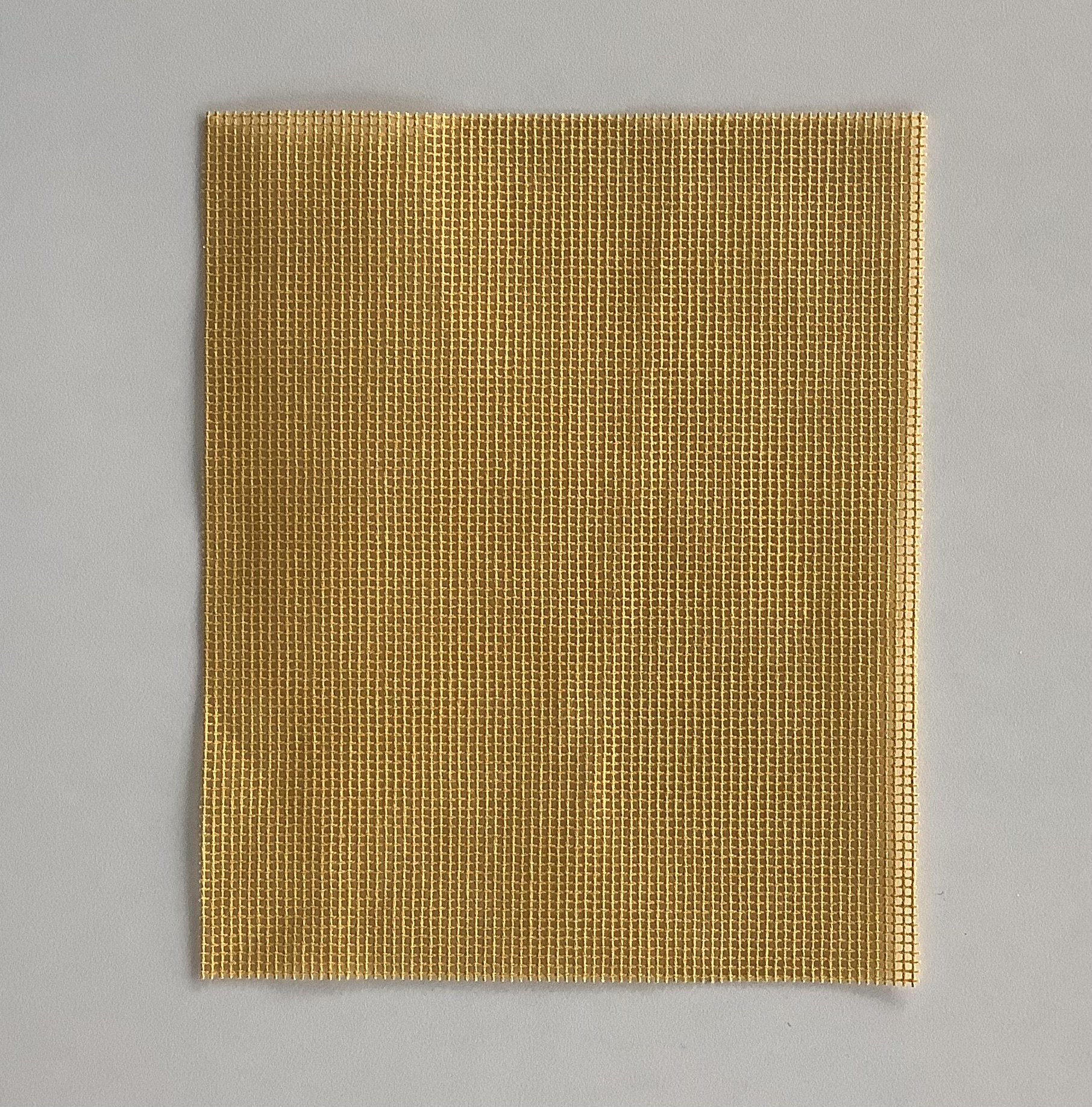
This is a straightforward canvas, known as a single-hole canvas because it has only one type of hole. Unlike the Penelope canvas shown in the following picture, which has both smaller and larger holes, the single-hole canvas is more uniform.
Single-hole canvases are categorized by the number of holes per inch, starting from 10 and going up to 18 (e.g., 10, 12, 13, 14, 16, 18). The smaller the number, the larger the holes. Personally, I prefer the single-hole cotton canvas with a hole size of 14, which offers a good balance.
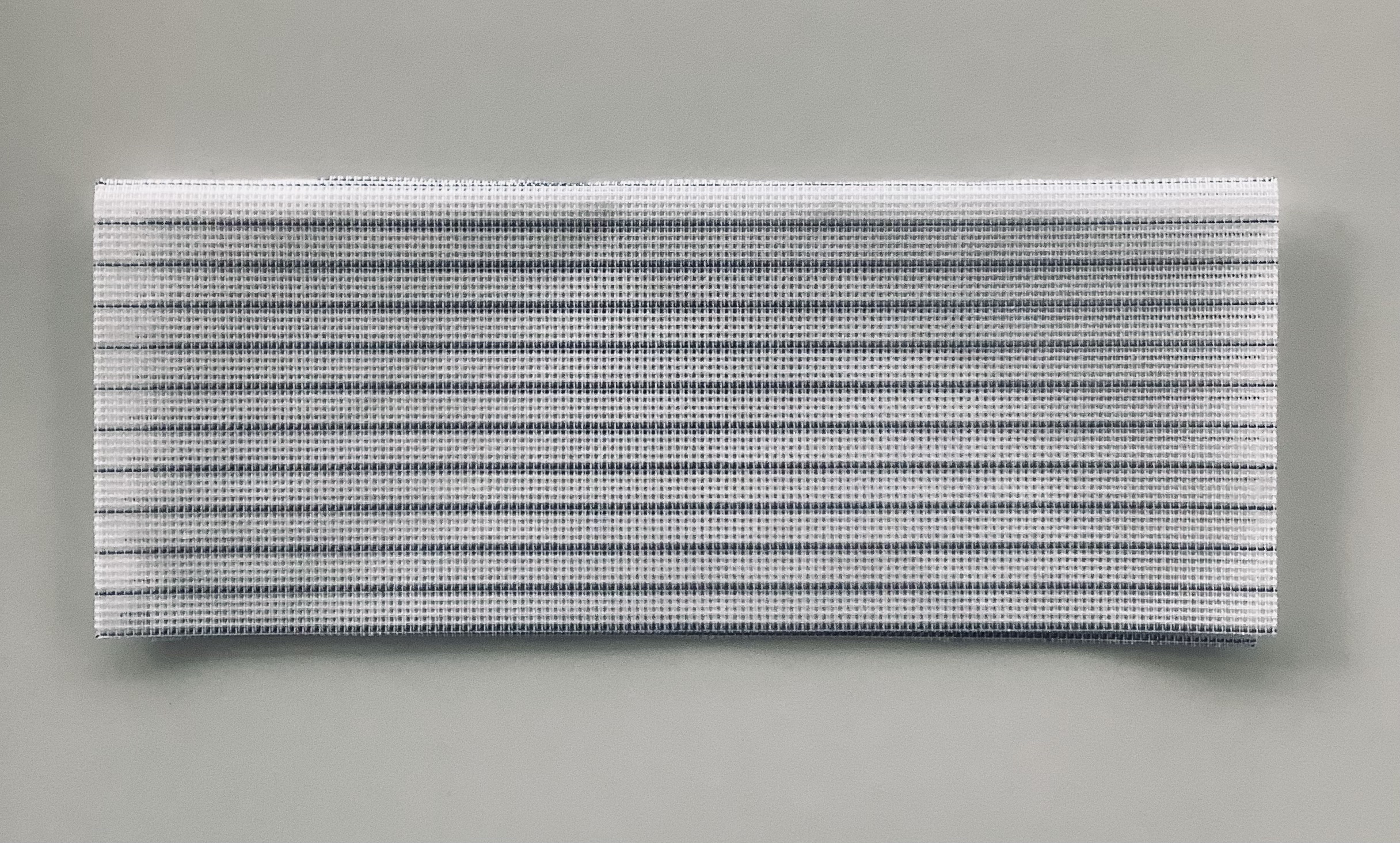
Another type of canvas I like is the waste canvas. It features a blue thread every five holes, making it easy to count stitches, which is especially useful for counted needlepoint. Counted needlepoint involves creating regular and recurring patterns. Waste canvas can be dismantled after use, allowing you to remove the threads. I like it because it’s thinner and more flexible than standard canvas, resulting in a more pliable embroidery. I often use this type for my artworks.
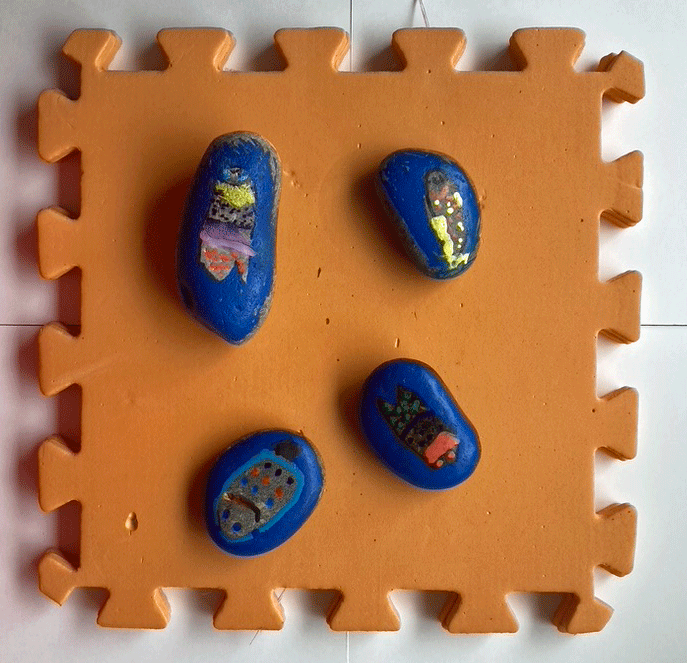
You’ll also find a lot of plastic canvas online. It operates similarly to cotton canvas, with various hole sizes and colors. Plastic canvas is typically used for creating stiff items like handbags or boxes, as it can stand on its own due to its rigidity.
The last type of canvas I recommend is a thinner, more flexible cotton canvas. Although it’s less sturdy and can be challenging to work with, it’s ideal for making patches because it’s lightweight and aesthetically pleasing.
Additionally, you can find soft cotton threads flaked with Lurex glitter in various colors, and other materials like rayon and silk, which are glossy and smooth. There are also eco-friendly hand-dyed threads available. Perlé cotton, which is tightly twisted and cannot be separated, is another option. A number eight perlé cotton can be used to add variation to your projects.
Floss
The second essential component is the thread or floss. There are numerous types of threads, and ideally, the floss should be chosen based on the canvas in use. However, this can be complex and largely depends on the desired final result. The key to creating a variety of textures and looks is to change your floss frequently.
Traditionally, embroidery wool was used for needlepoint, with wool and silk being the primary materials. Personally, I’m not fond of wool because it lacks shine and depth, and it’s difficult to separate.
In contrast, cotton floss is thinner, shinier, and comes in an immense variety of colors.
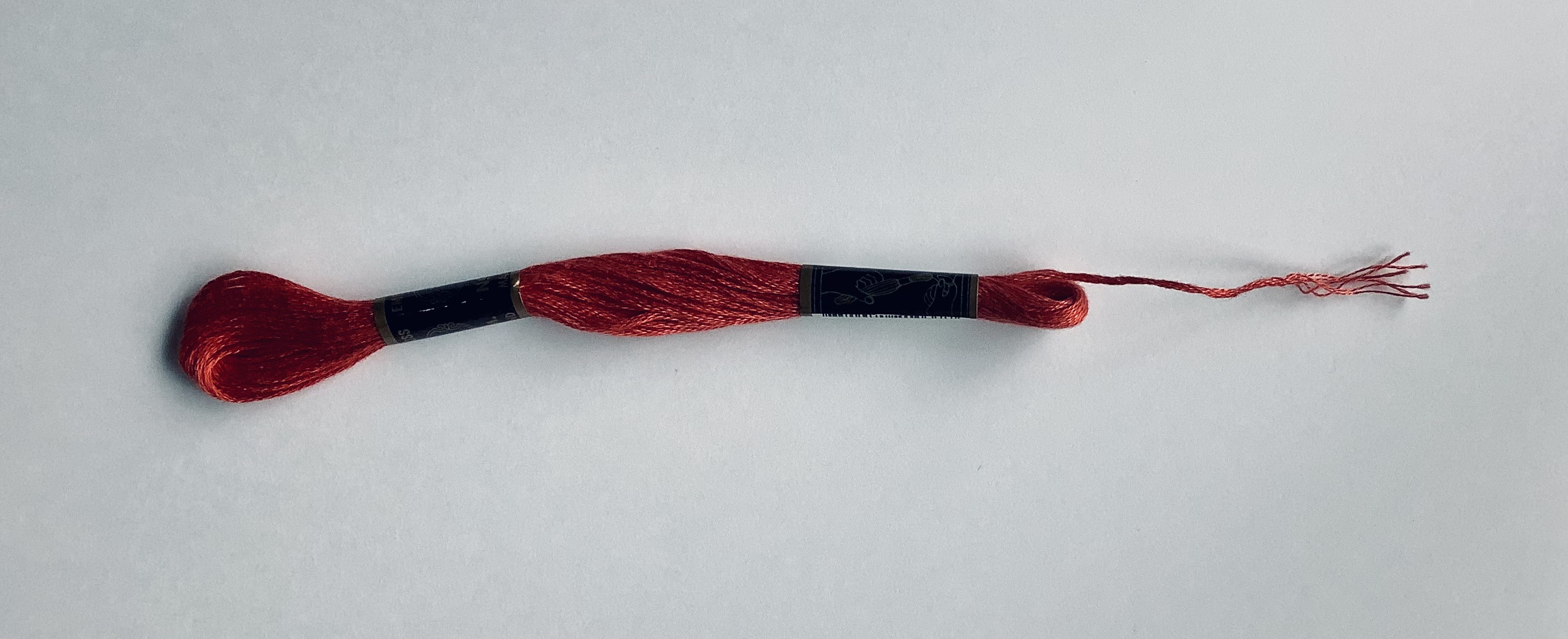
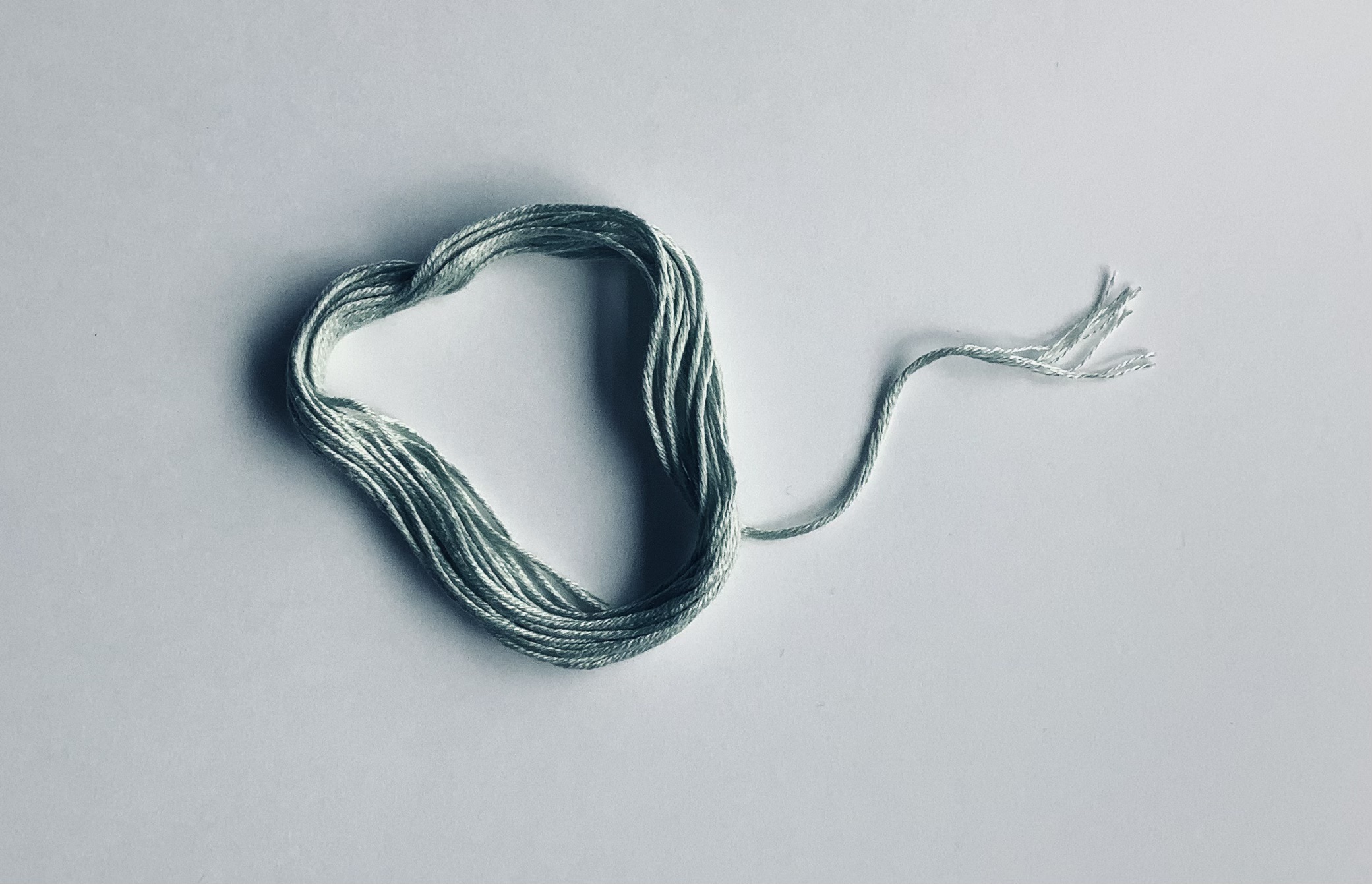
The most common floss is mouliné cotton, which can be separated into six strands. This is the most widely used type of embroidery yarn worldwide. You can adjust the thickness by separating the threads as needed. The example shown here is a solid color.
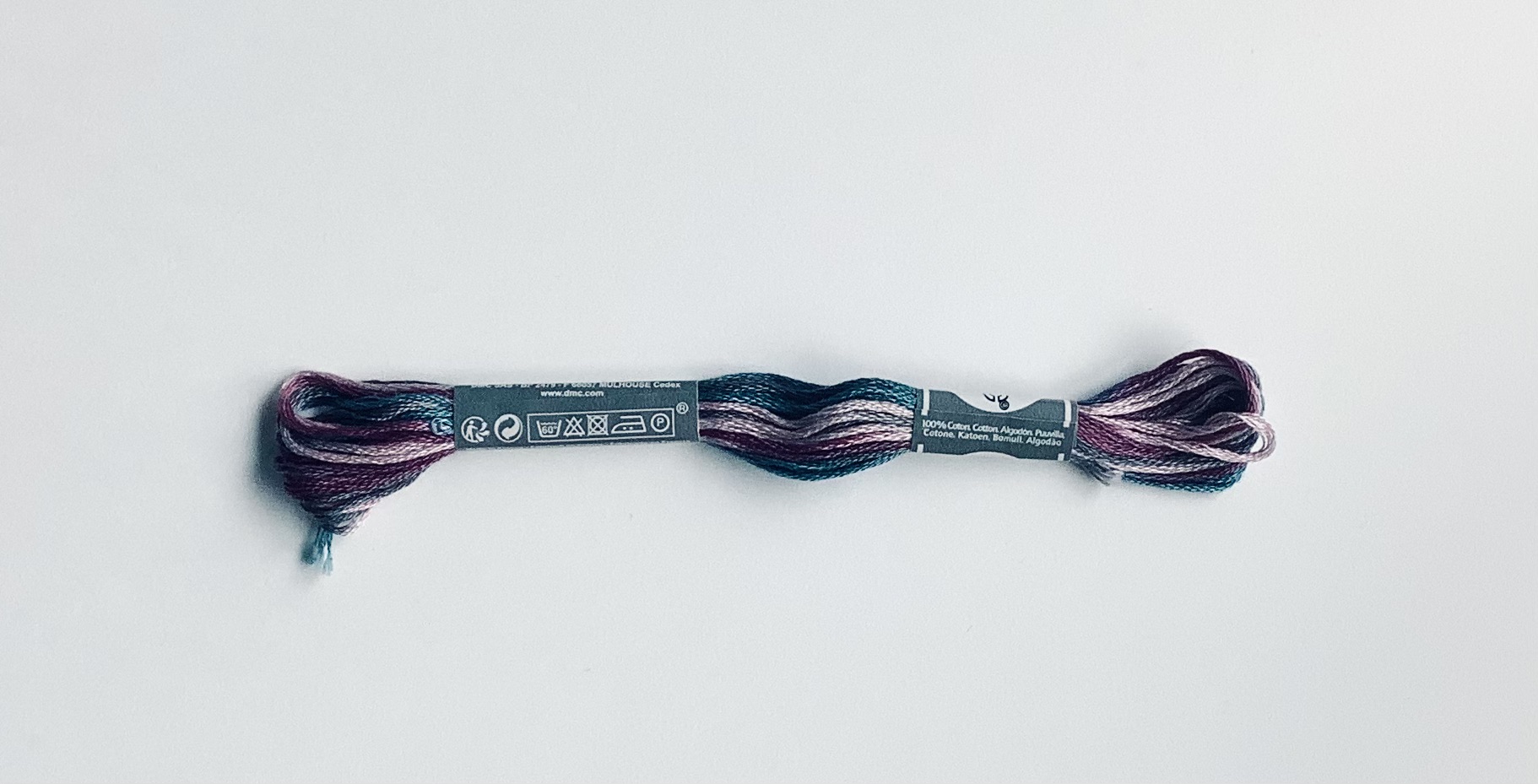
The market offers a broad range of stranded yarn, including mixed colors, metallic single threads that can be added to the six-strand embroidery floss, and pre-made metallic floss in six strands.
The most common floss is mouliné cotton, which can be separated into six strands. This is the most widely used type of embroidery yarn worldwide
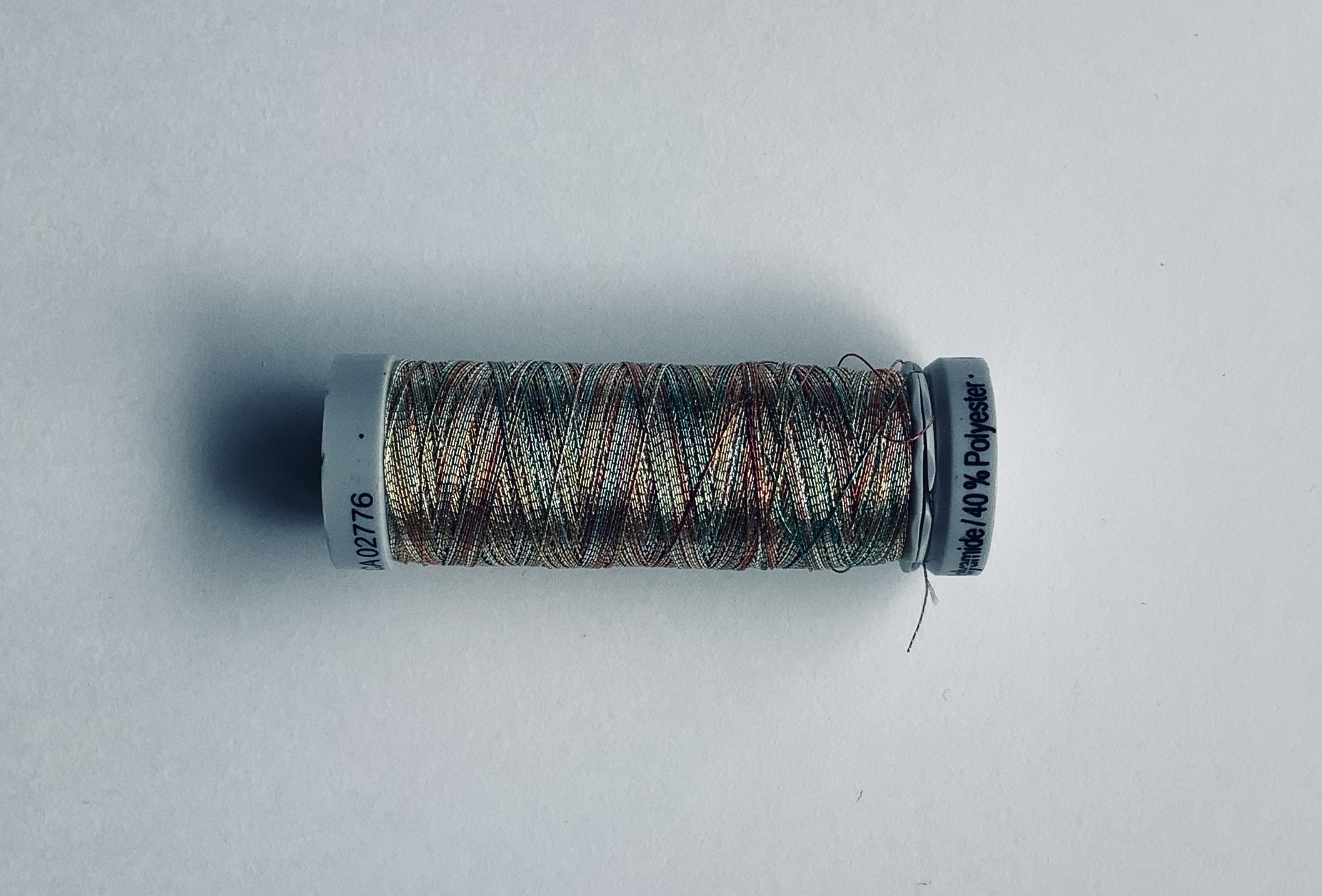
You can adjust the thickness by separating the threads as needed. The first example shown here is a solid color, but the market offers a broad range, including mixed colors, metallic single threads that can be added to the six-strand embroidery floss, and pre-made metallic floss in six strands.
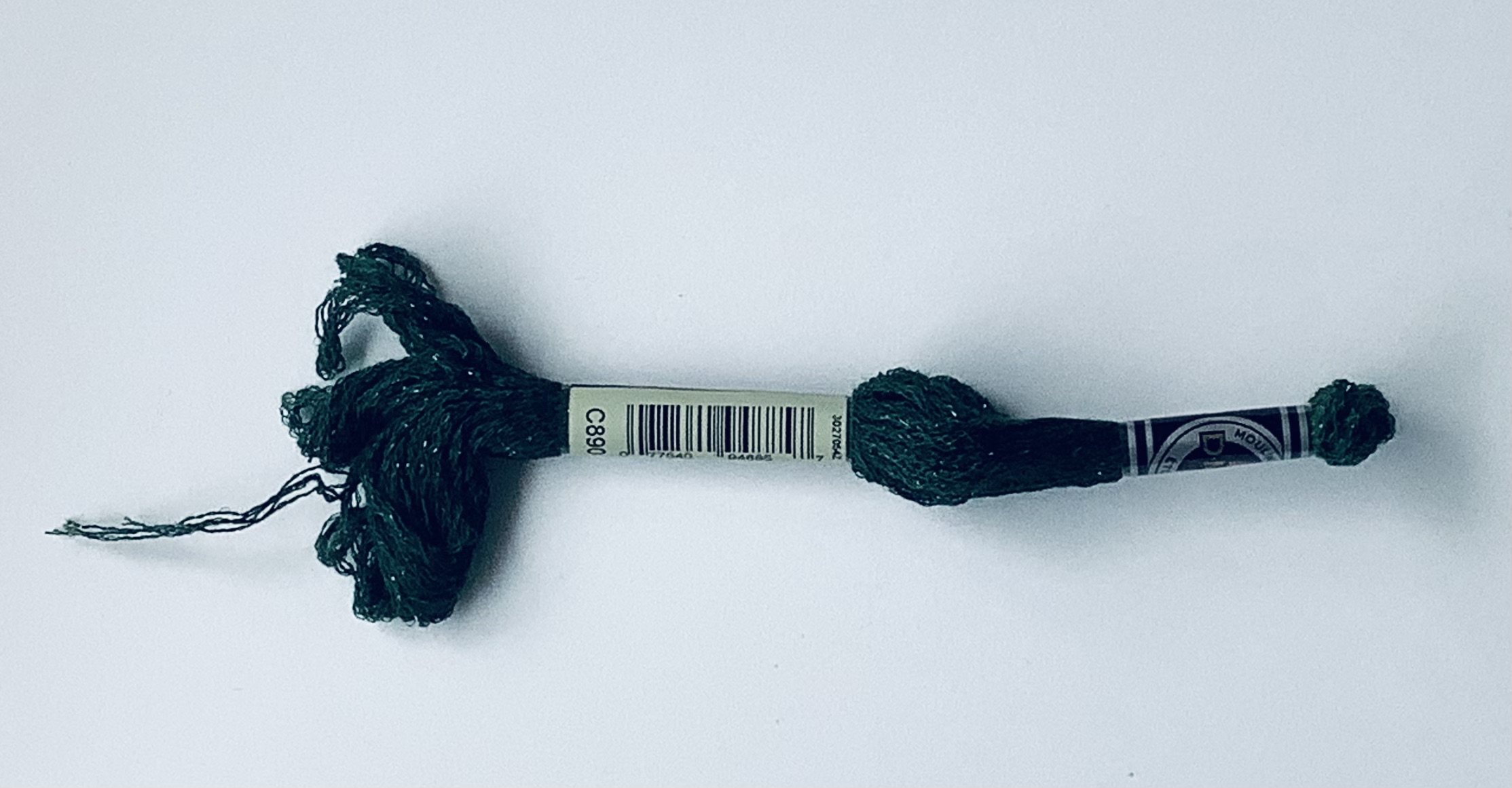
Additionally, you can find soft cotton threads flaked with Lurex glitter in various colors, and other materials like rayon and silk, which are glossy and smooth.
There are also eco-friendly hand-dyed threads available. Perlé cotton, which is tightly twisted and cannot be separated, is another option. A number eight perlé cotton can be used to add variation to your projects.

Needles
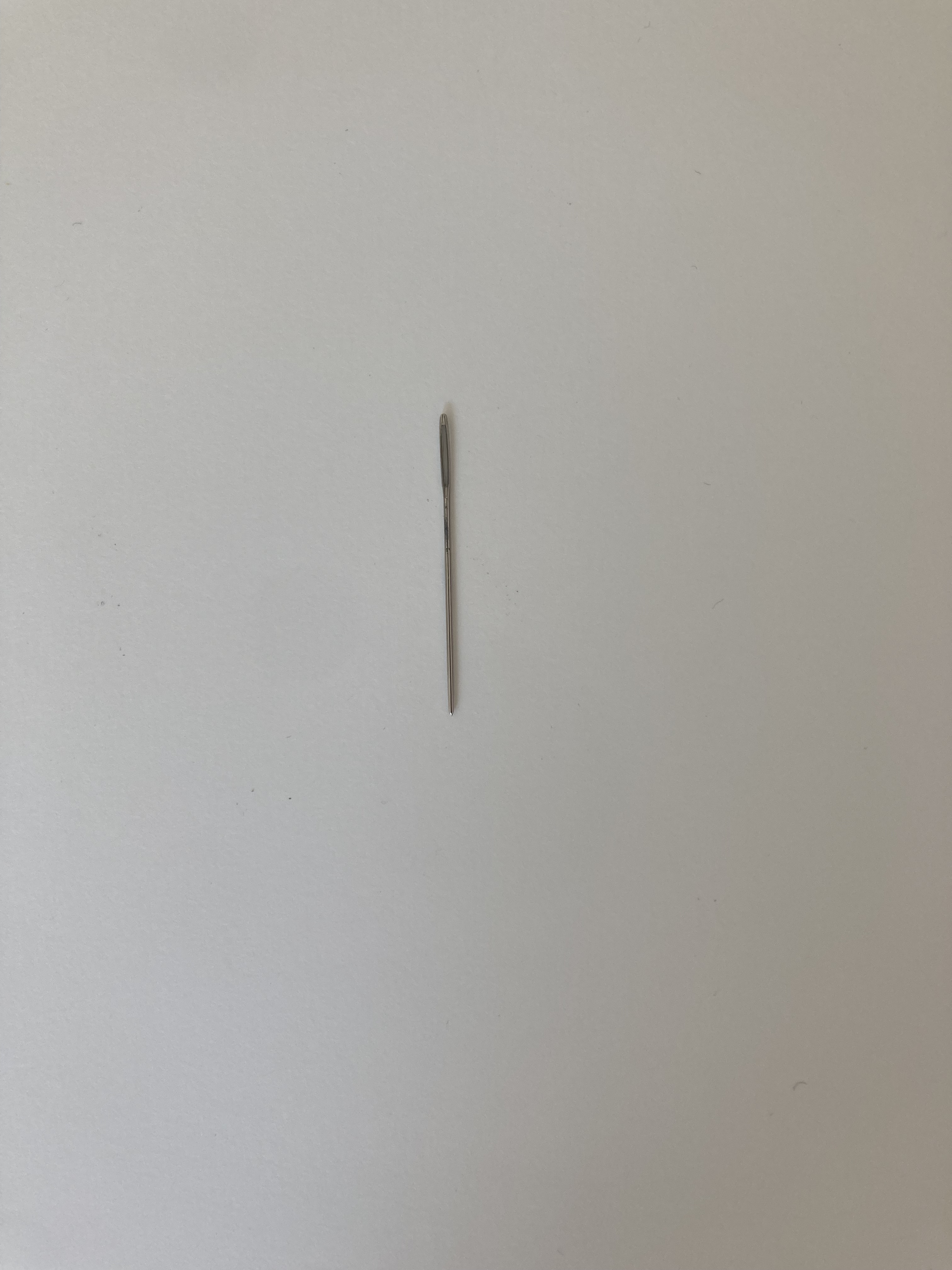
I have little to say about needles, except that you need to use tapestry needles that have a rounded point. This type of needle is specifically designed to work well with needlepoint projects, preventing damage to the canvas and making it easier to pass through the holes.
 Manuela Caniato Textile Art