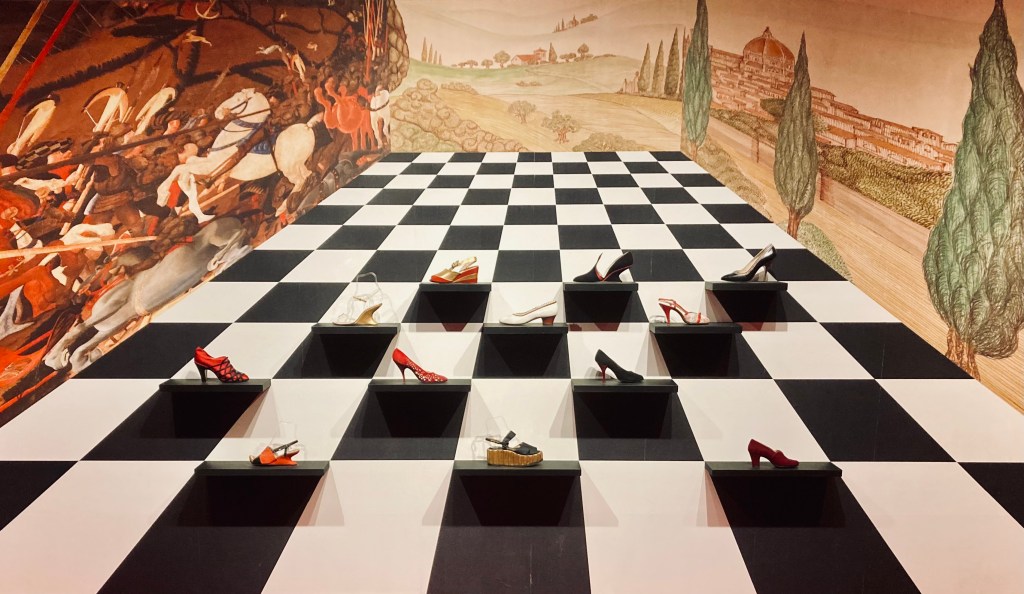

The Ferragamo Museum is located in the basement of Palazzo Spini Ferroni in Florence and tells the story of Salvatore Ferragamo and his success as a master shoemaker. His life and career are legendary, so much so that filmmaker Luca Guadagnino dedicated a documentary to him in 2020, titled The Shoemaker of Dreams —a name Ferragamo had originally chosen for his autobiography in 1957.

Salvatore Ferragamo was born on June 5, 1898, in Bonito, a small town in the province of Avellino, Italy. He was the eleventh of fourteen children in a working-class family. Fascinated by footwear from an early age, he crafted his first pair of shoes at just nine years old, learning the craft from the town’s local shoemaker. Legend has it that Salvatore made his first shoes for his little sisters, Giuseppina and Rosina, who were about to make their First Communion. According to tradition, the girls were supposed to wear white shoes, but the family couldn’t afford them. Salvatore asked Master Luigi, the town shoemaker, for the necessary materials and, unbeknownst to everyone, spent the night creating the shoes for his sisters.
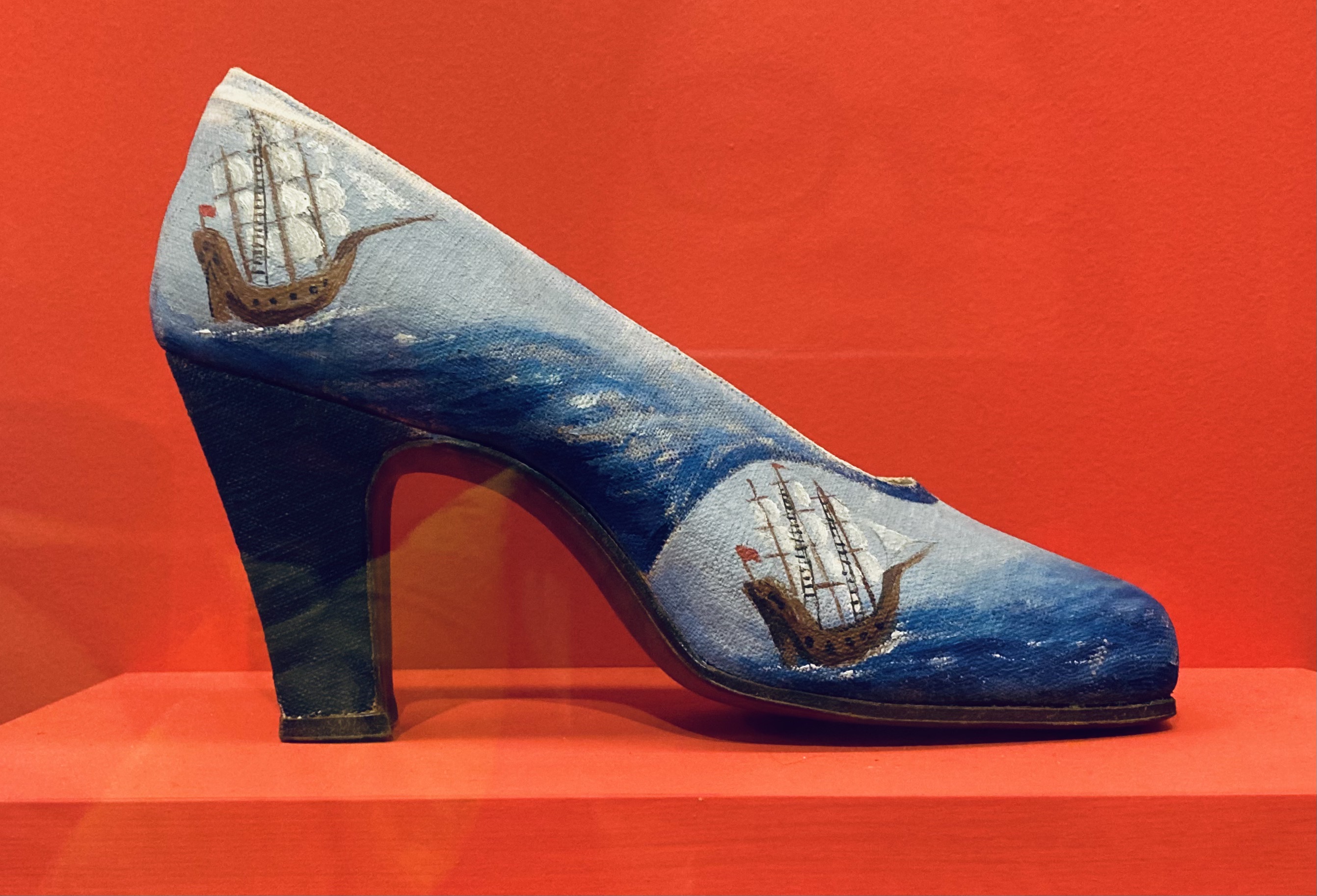
In his teenage years, Salvatore moved to Naples to work in a local shoe shop. Meanwhile, his brothers had already emigrated to the United States and urged him to join them. He boarded the SS Stampalia on March 24, 1915, and arrived at Ellis Island, the famous immigration station in New York Harbor, on April 7, 1915.
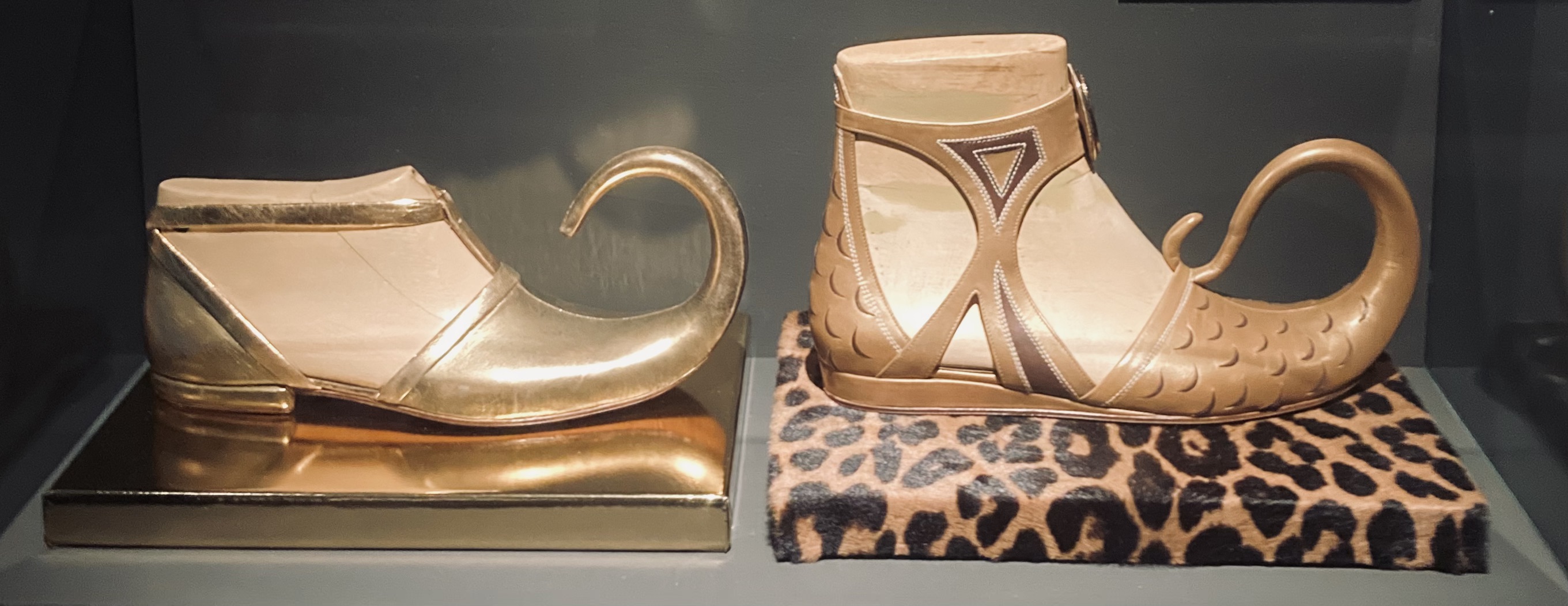
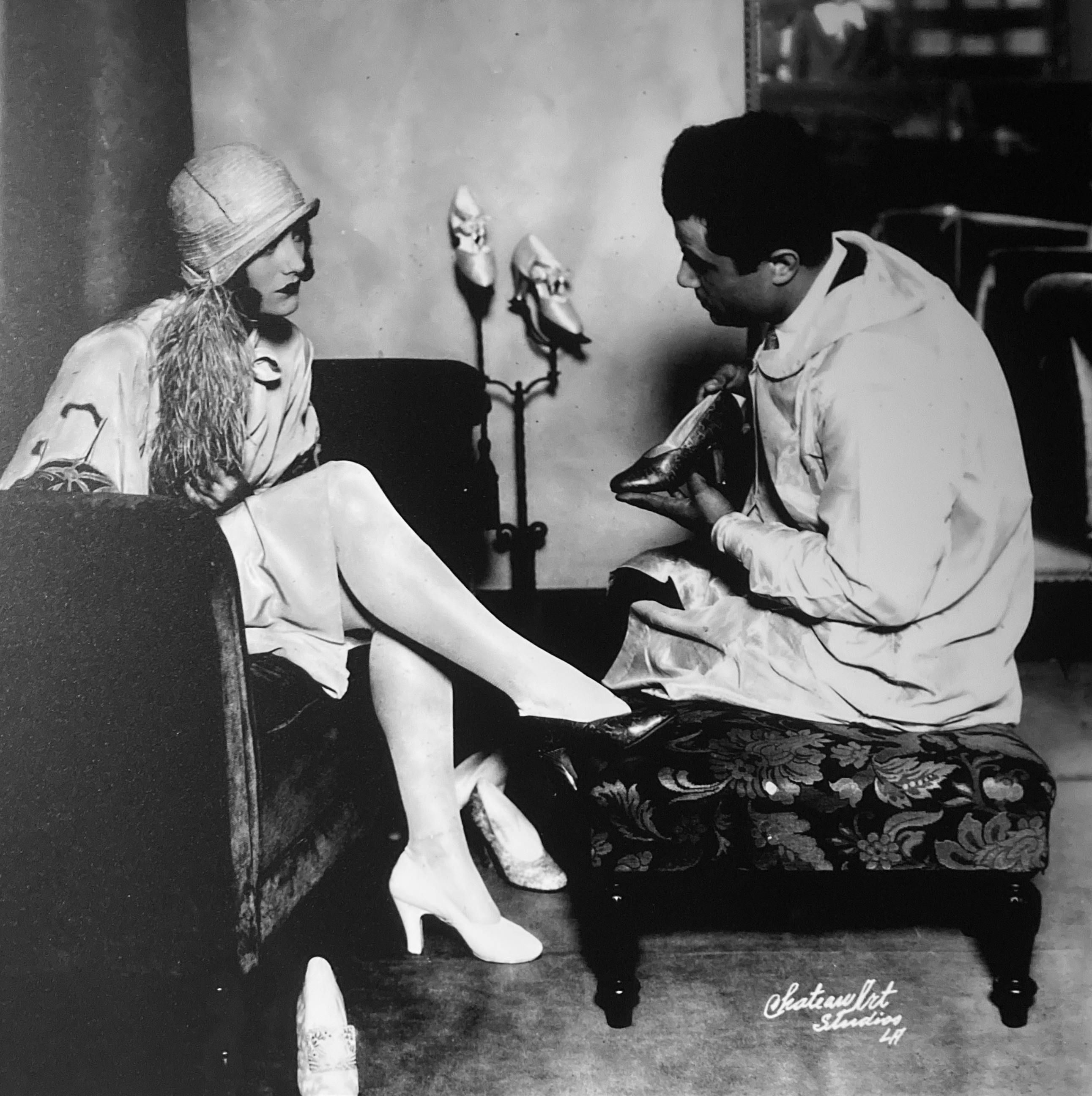
By 1923, with the growing presence of the film industry in Hollywood, Salvatore had moved to California. There, he opened a large and beautiful store—The Hollywood Boot Shop—and continued to create custom footwear for film stars, earning the title of “The Shoemaker of the Stars.” Soon after, he redesigned the store’s interior, drawing inspiration from Italian art, with classical columns, tapestries on the walls, and richly decorated sofas. Ferragamo wanted the space to feel intimate and welcoming, not like a typical store, but more like a grand palazzo. He inaugurated the new space on February 19, 1925, with a three-day-long celebration. By 1926, Ferragamo was at the height of his success. However, to scale up his business, he realized he needed to increase production. To achieve this, he returned to Italy, where skilled artisans were available to help him expand his operations. In 1927, he moved to Florence and opened a workshop dedicated to handcrafting his famous shoes.

In the early years in Florence, Ferragamo created unique shoes and began collaborating with the artists of the time, including the futurist painter Lucio Venna.
On February 12, 1951, the first official Italian fashion show took place in Florence, and Salvatore Ferragamo played a pivotal role in the event. He presented the Kimo sandal, which featured an interchangeable silk or leather sock in different colors, allowing the sandal to be worn both during the day and at night.
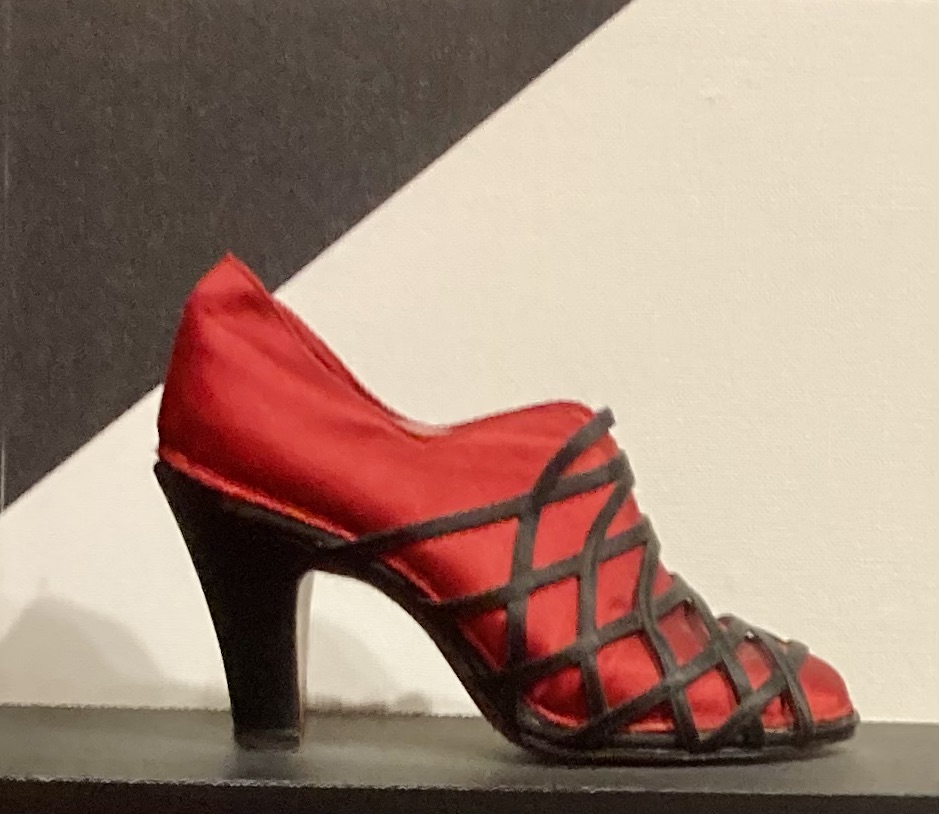
The design was inspired by the traditional Japanese tabi socks. The silk sock allowed the sandal to be worn without exposing the foot, offering both elegance and practicality.
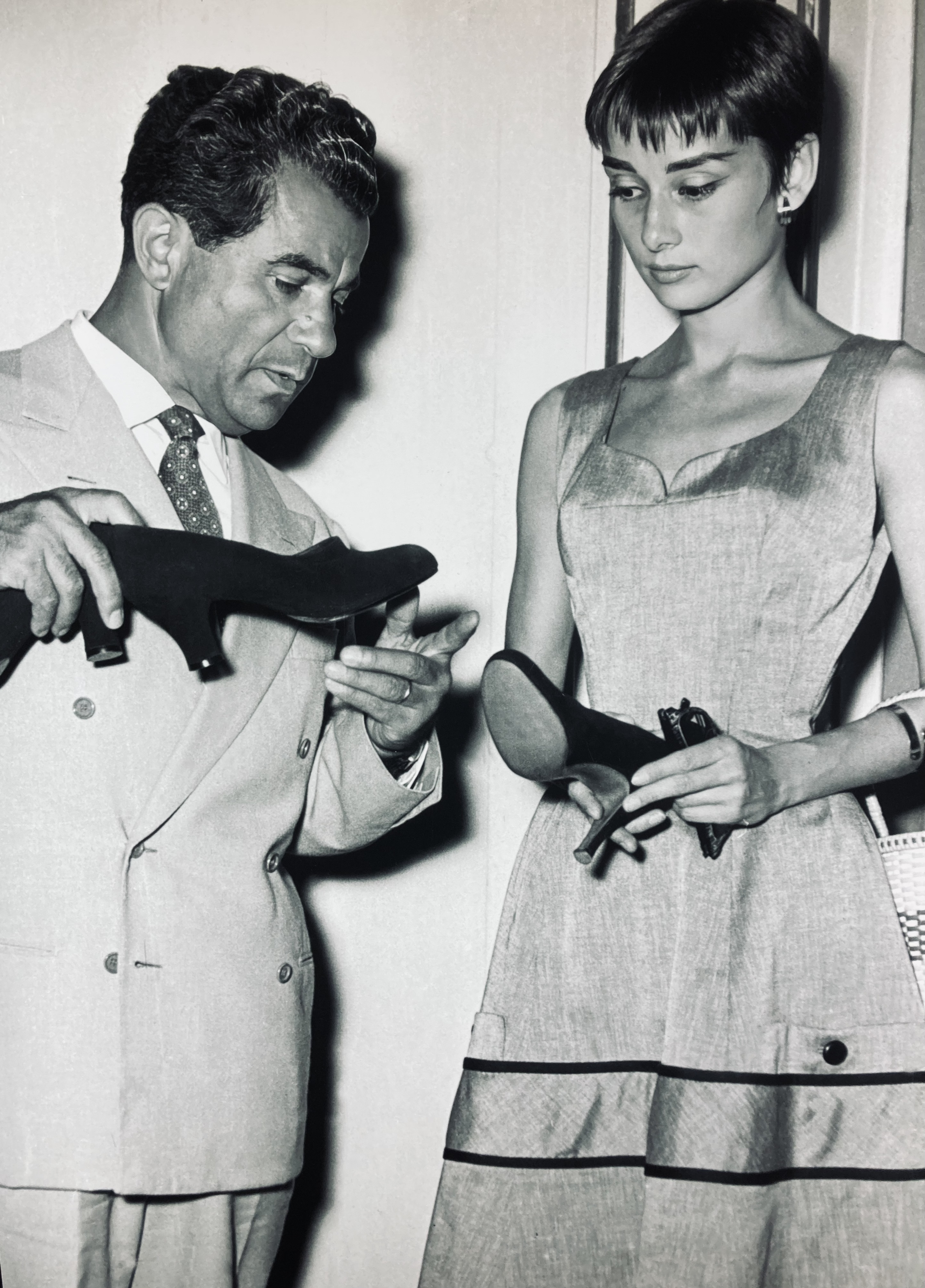
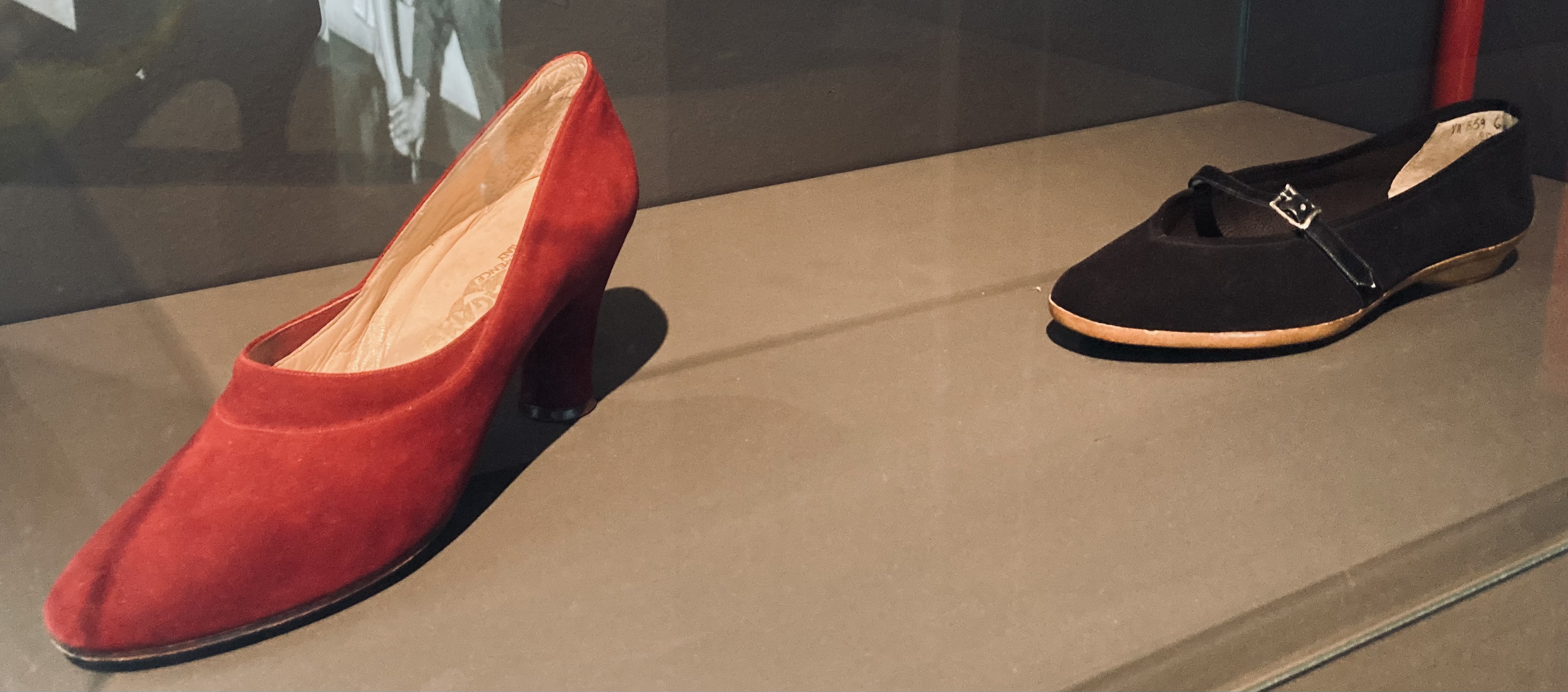
In 1958, Ferragamo embarked on a long journey that took him to Australia and Japan, forging new relationships with the Eastern world and expanding his business internationally. Unfortunately, after this trip, Salvatore fell ill, and on August 8, 1960, he passed away. After his death, his wife, Wanda Ferragamo, and later their children, took over the business and continued to build on the legacy that Salvatore had created.

Today, the Ferragamo Museum in Florence stands as a tribute to the legacy of Salvatore Ferragamo, showcasing his innovative designs and celebrating his contributions to fashion and footwear.
 Manuela Caniato Textile Art
Leave a comment