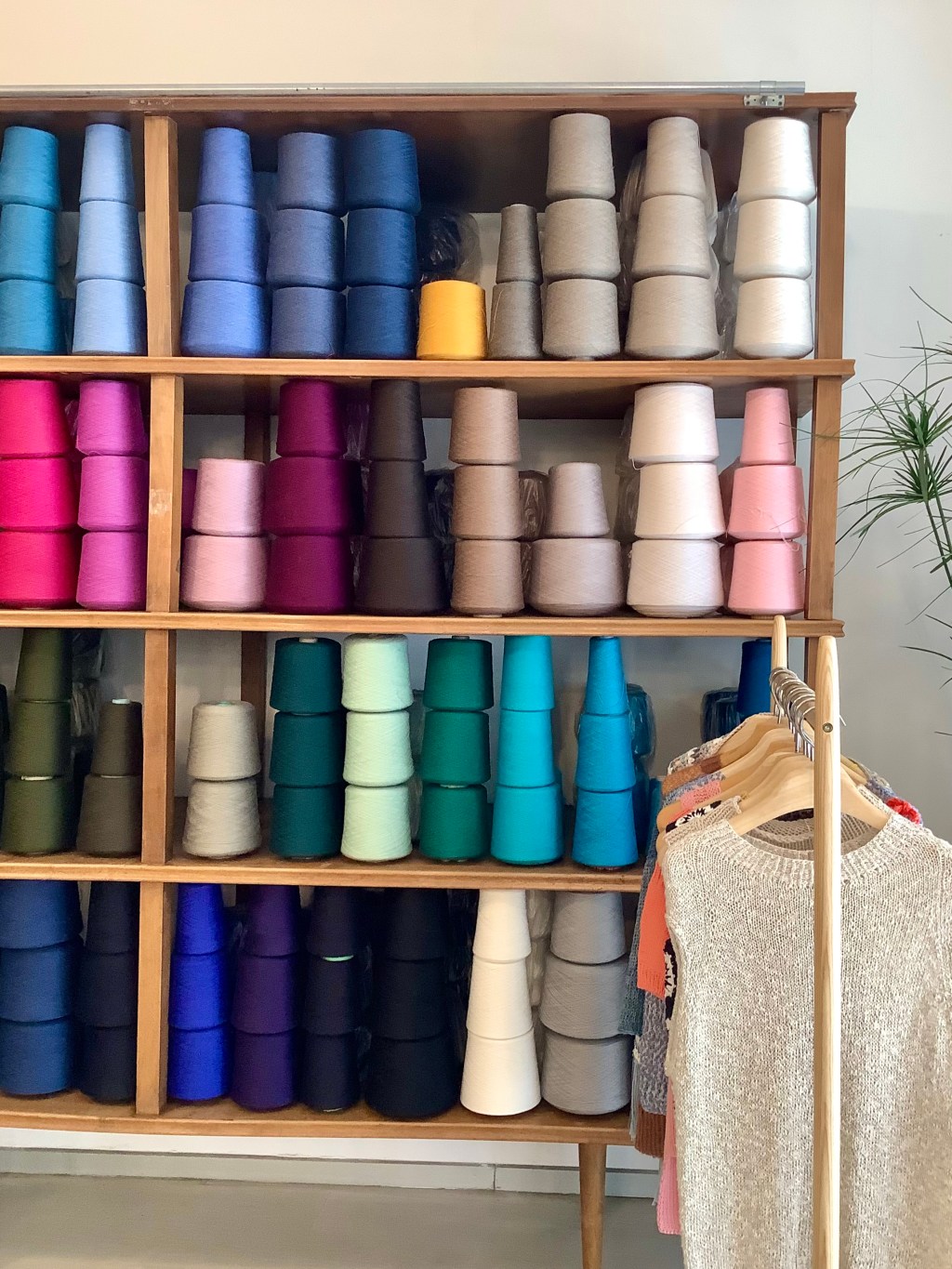
I buy 100% cashmere yarn in Milan at Lanar. Like many wool, textile, and fashion businesses in Italy, the Lanar knitting mill was founded in 1946 in Milan by Riccardo Riccardi. Initially, the yarns were produced in Biella, but the high demand in the post-war market caused delays in deliveries. So, in 1948, Riccardo opened a cashmere finishing plant in Cernusco sul Naviglio, near Milan. In 1950, he also opened the washing and combing facility to improve the preparatory phase of spinning. In 1960, to be more flexible and prompt in deliveries, the yarn dyeing facility for hanks and tops was installed to produce mélange colors.
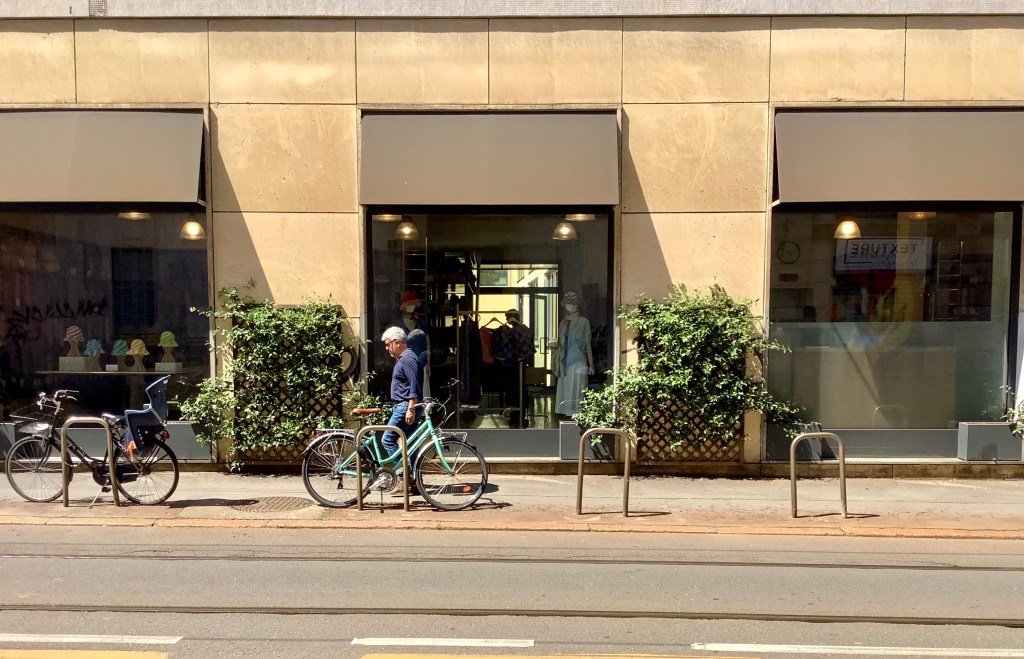
The growth was rapid until the late 1990s, when Silvio, the founder’s son, made an agreement with Biella companies to move the production back to Biella, due to difficulties in finding skilled personnel and companies for auxiliary processing in Lombardy. The company continues to produce high-quality yarns, sold at its shop in Milan, in the Porta Venezia district on Via Nino Bixio.
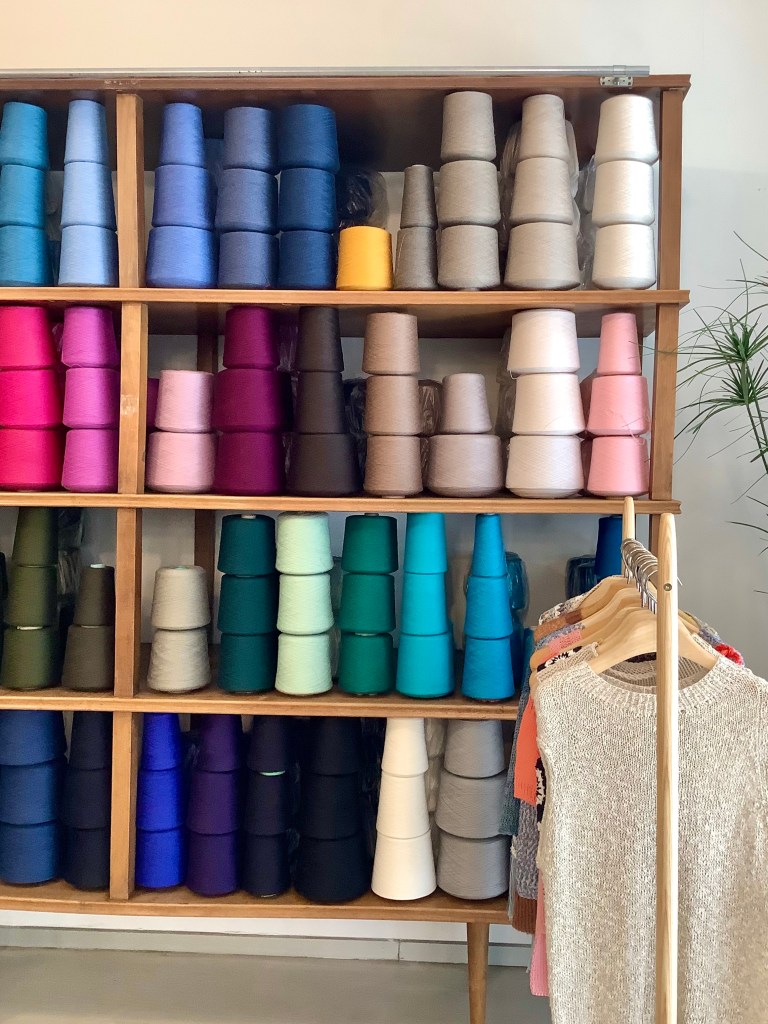
Unlike other types of wool, 100% cashmere is bought in cones. A cone is a spool on which a very thin yarn is wound, suitable for both machine and hand knitting. To understand the fineness, which for wool is measured in microns, consider this: when you buy lace yarn, one of the thinnest on the market, it is usually made of two or three plies. One ply of pure cashmere has roughly the thickness of one of these plies. For hand knitting, I recommended to use at least two plies.
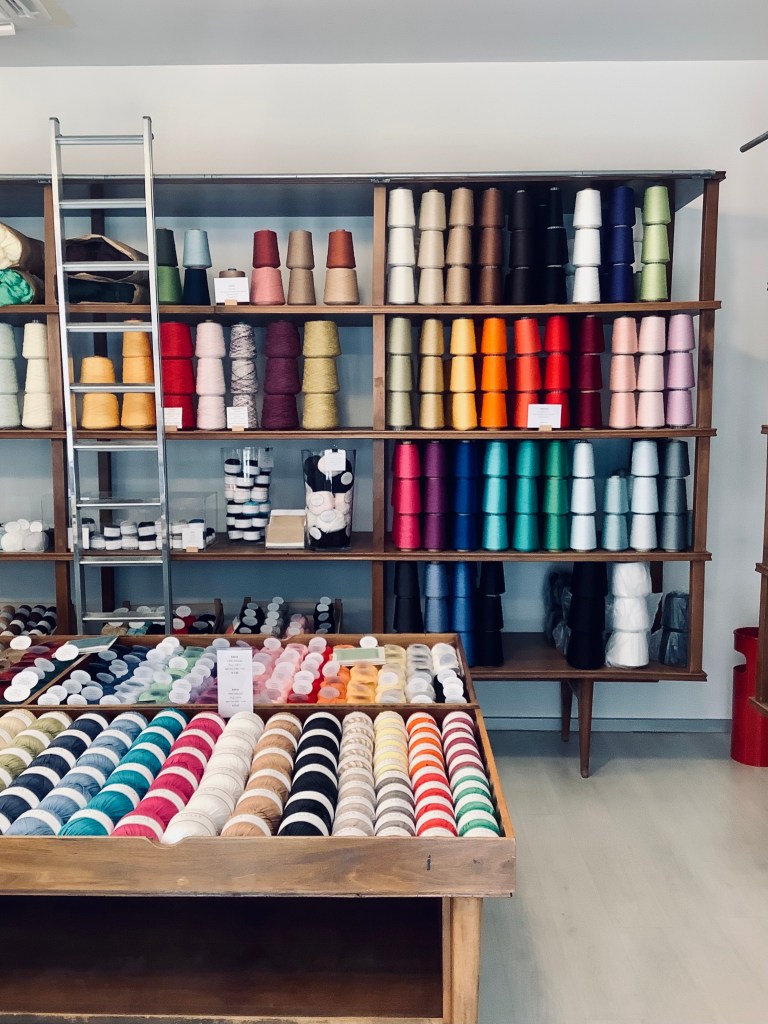
Two plies are sufficient, though, because cashmere is a slightly fuzzy yarn and does not need to be used thickly; the fuzziness of the yarn is enough to maintain the body temperature at a constant level. An important detail is that after working the cashmere, it needs to be “fulled.” This exotic word actually means it needs to be washed, but not in the usual sense. Cashmere sweaters should not be simply washed like any other sweater in the washing machine and then laid flat. Cashmere needs to be washed and gently agitated.

My grandmother taught me to wash it in the machine with a wool program or by hand with specific wool detergents. She would full the cashmere using a salad spinner. Lightly agitated cashmere reveals its softness and fuzziness. Today, this process is no longer necessary because almost everyone owns a dryer. You can wash the cashmere item in the machine with a wool program at 30°C and then full it in a modern dryer with a specific wool program. So treated the second hand cashmere regains its original softness and fuzziness. But if someone does not have modern gadgets, they can full the cashmere in a salad spinner like my grandmother did and as I did for thirty years.
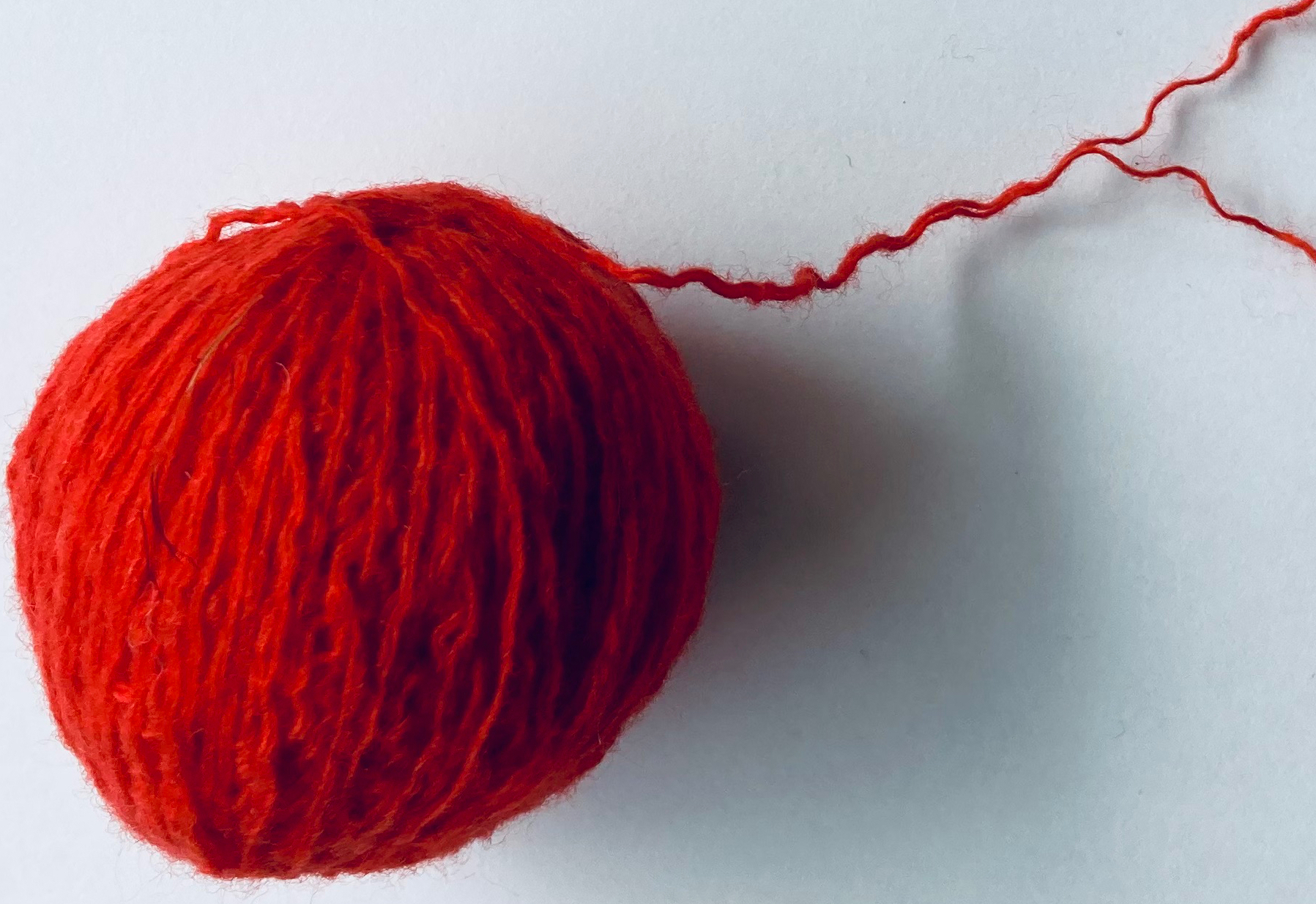
I grew up in a family of wool experts. Since I was little, I wore cashmere sweaters and pants, developing a strong passion for this wool that I now work by hand. I still have some of the sweaters produced by Modella Tricot, the family knitting mill, but I have unraveled many of them because they were too heavy or too old. Naturally, I re-use the wool to crochet. The great advantage of wool is that it is immortal: it can be unraveled and recycled endlessly. When the recycled wool is not enough to create something new, or when I have small remnants, I supplement it with cashmere that I buy from the Lanar store in Milan.

 Manuela Caniato Textile Art
Leave a comment